
If you’re looking for tree and shrub care in Northeast Ohio because your yard feels overwhelming, you’re not alone.
You walk into your yard, and there’s a tree dropping leaves in the middle of summer. A hedge swallowing the walkway. A shrub that used to bloom every spring and suddenly doesn’t.
Maybe you recently bought the house and inherited an established landscape from the previous owner. Or maybe you’ve lived on your property for 20 years.
Most homeowners in Lake County, Geauga County, and Cuyahoga County were never taught how to read a landscape. And because you see your property every day, gradual decline is easy to miss.
Trees, shrubs, and ornamental plants don’t decline overnight. Their problems build slowly over time.
Landscape care gets more complicated as properties age.
Over the years, soil and drainage conditions change, root systems grow as trees mature, and direct sunlight access decreases as canopies grow.
You’re Not the First Homeowner Who’s Stood in Their Yard Wondering Where to Start
It’s easy to feel like you should already know what’s wrong with your yard. But even a certified arborist takes time to assess a property.
Most older yards were shaped over decades by different homeowners, landscapers, and priorities. What you’re looking at isn’t the result of one cohesive plan.
You don’t need to become a landscaping expert to maintain your yard. You just need to start noticing early signs of decline.
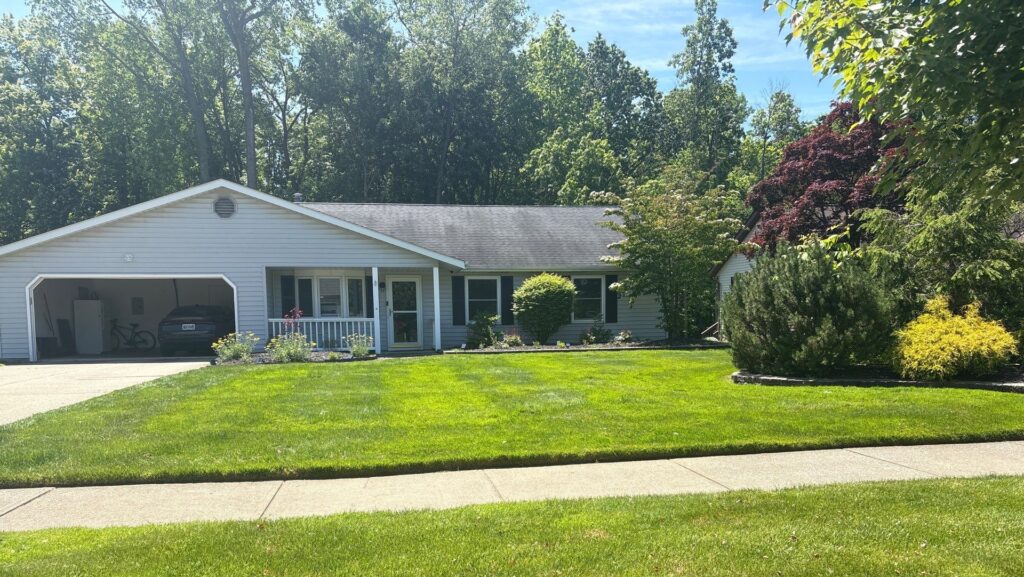
What are signs my trees and shrubs are struggling?
Most trees and shrubs show warning signs before serious decline happens. Changes in growth, flowering, leaf health, moisture conditions, or branch structure can all indicate that a plant is under stress.
Common signs of tree and shrub decline:
- Trees losing leaves at unusual times of year
- Shrubs or ornamental trees that stop flowering
- Thinning canopies or dead branch tips
- Constant wet soil around roots
- Visible insect activity or recurring disease problems
- Sections of your yard getting worse year after year
It’s easy to mistake these signs for cosmetic issues or natural aging.
But they can be early indicators of deeper problems involving soil health, drainage, root competition, disease pressure, or improper plant placement.
The earlier you catch these issues, the more manageable they are. Problems that sit ignored for years become more expensive and harder to reverse.
Why do my plants keep dying in the same spot?
If the same tree or shrub dies three times in the same spot, there’s a problem with the location you planted it in.
Most homeowners understandably focus on replacing the plant itself instead of diagnosing the site. This is especially common in older Northeast Ohio yards that have changed over time.
That’s why people end up stuck in this cycle:
| Common Homeowner Mistakes | What to Investigate Before Replanting |
| Replace the dead shrub with the same shrub | Evaluate soil, drainage, sunlight, and root competition |
| Add more fertilizer | Identify why the plant is stressed in the first place |
| Water more frequently | Determine whether the issue is moisture, disease, or poor placement |
| Assume the plant was defective | Match the right plant to the actual site conditions |
That’s why tree and shrub care is about understanding the relationship between the plant and the environment around it.
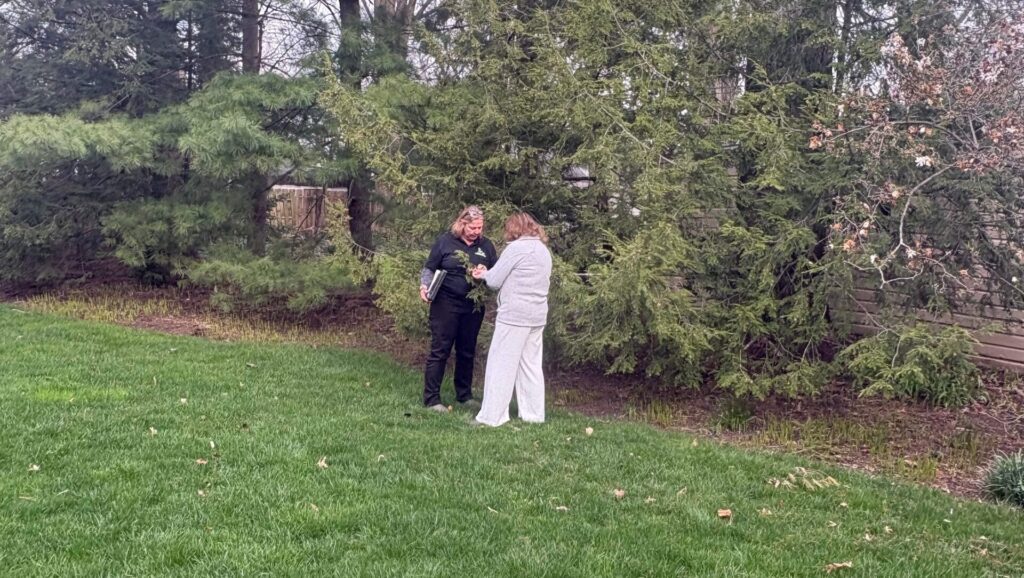
Where do I start with tree and shrub care?
The best place to start with tree and shrub care is with observation. Walk your yard and look for the areas that immediately feel “off.” Don’t try to diagnose anything yet.
You just want to learn how to notice patterns inside your yard. What areas of your yard look overgrown or unhealthy?
Because once you can identify where the landscape feels unhealthy, you can start figuring out why.
Warning signs to look for around your yard include:
- Shrubs blocking windows, walkways, or sightlines
- Areas where water pools after rain
- Landscape beds that feel overcrowded
- Trees planted too close to the house or driveway
- One section of the yard looking dramatically different from the rest
Good tree and shrub care begins with paying closer attention.
When should I bring in a certified arborist?
You should bring in a certified arborist when you’re not sure what’s causing the problem or DIY attempts aren’t working.
A good arborist evaluates the entire problem area including:
- Soil conditions
- Drainage patterns
- Sunlight exposure
- Root competition
- Insect and disease pressure
- Structural concerns
- Long-term sustainability of the planting itself
In other words, they read the landscape as a system instead of looking at individual symptoms in isolation.
| You Can Usually Monitor Yourself | Time to Bring in a Professional |
| Minor seasonal leaf loss | Large sections of thinning canopy |
| A few dead twigs or branches | Dead or falling limbs |
| Temporary discoloration during weather stress | Visible disease or recurring insect activity |
| Minor drainage issues after heavy rain | Constant wet soil around roots |
You don’t need a massive estate or a “perfect” property to hire a certified arborist in Northeast Ohio.
You can benefit from an expert eye on your yard and get a prioritized plan of action for your tree and shrub care.
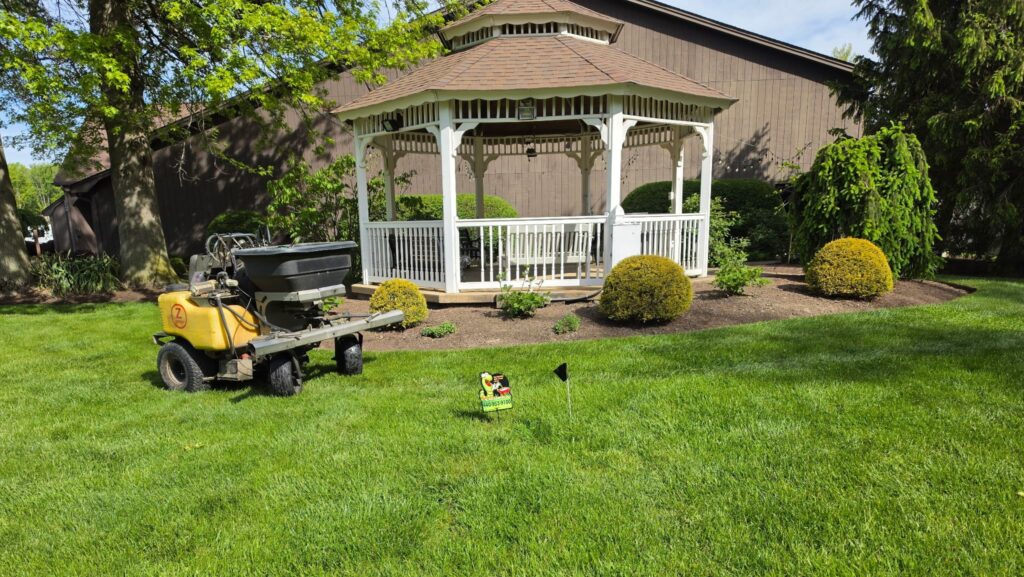
What ongoing tree and shrub care looks like (and why it’s not a one-time fix)
Ongoing tree and shrub care focuses on monitoring plant health over time, preventing problems before they spread, and adjusting care as your yard changes from season to season.
One of the biggest misconceptions homeowners have about plant care is that there’s a one-time fix. But as living organisms, trees and shrubs respond constantly to changes in weather, soil, drainage, insects, and disease.
Think about going to the dentist. Preventive care is a lot easier (and cheaper) than dealing with a cavity later.
For most Northeast Ohio properties, that ongoing care includes:
- Watching for early signs of disease or insect activity
- Monitoring soil and root health over time
- Feeding ornamental trees and shrubs
- Evaluating drainage and moisture issues
- Identifying overcrowding as trees and shrubs mature
Instead of reacting once something looks obviously unhealthy, ongoing care helps you stay ahead of problems before they become expensive and difficult to reverse.
Client success story: when a landscape looks maintained but isn’t healthy
Years ago, we got called out to an estate property in Geauga County. The homeowner walked outside, looked across the yard, and asked, “What do you see wrong with this picture?”
At first glance, the property looked maintained. But the yard was slowly declining from years of improper care.
We walked the property with the homeowner and talked through what we were seeing:
- Shrubs competing for space and sunlight
- Improper pruning cuts creating long-term stress
- Plants unlikely to recover without intervention
- Areas where decline would continue if nothing changed
None of it was a quick fix.
Restoring the health of the property took time, consistency, and years of correcting the damage.
Eventually, it transformed into a yard the family could enjoy and feel proud of again. They even ended up hosting their daughter’s wedding in their own backyard.
What Ecolawn’s Tree and Shrub Care Program includes (and what it doesn’t)
At Ecolawn, we focus on plant health care for ornamental trees and shrubs. That means helping you understand what’s happening in your yard, identifying problems early, and creating a long-term plan to keep plants healthier over time.
Our Ornamental Tree & Shrub Care Program includes:
- Dormant oil applications for overwintering insects
- Insect and disease treatments throughout the season
- Deep root feeding and ornamental fertilization
- Monitoring for signs of disease and decline
- Certified arborist evaluations
- Guidance on drainage, mulching, pruning, and plant placement
- Identifying trees or shrubs that may become future property concerns
What we don’t provide:
- Tree removals
- Large-scale trimming
- Structural pruning
- Emergency tree work
If your yard needs that type of work, we’ll point you toward trusted local companies that specialize in it.
Customers frequently tell us how relieved they feel to finally understand why certain problems keep happening in their yard.
