
What Is Winterizer Fertilizer?
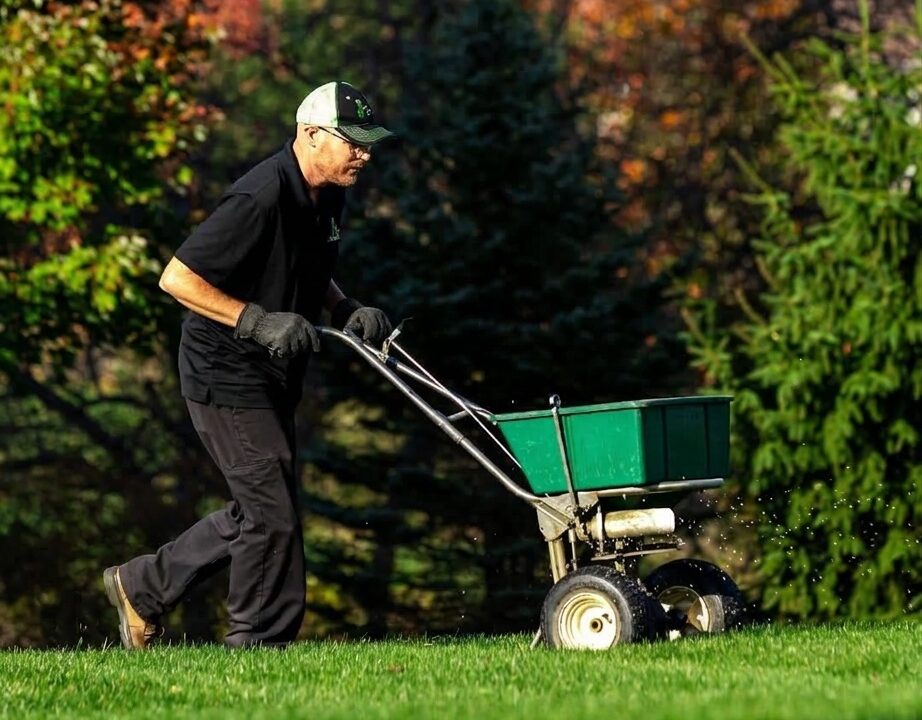
Winterizer fertilizer is a late-season lawn treatment that helps your grass store nutrients, strengthen its roots, and prepare for winter. Here in Northeast Ohio, you know how quickly fall turns into winter. Giving your grass the nutrients it needs before the ground freezes helps set it up for a healthier lawn come spring.
As temperatures drop in the fall, your grass starts slowing down above ground, but its roots remain active. Applying the right fertilizer at the right time helps your lawn get the nutrients it needs before winter and encourages healthy growth when spring arrives.
In this article, you’ll learn:
- What winterizer fertilizer does for your lawn
- When to apply winterizer fertilizer in Northeast Ohio
- How to determine whether your lawn needs a winterizer application
- How we approach late-season lawn fertilization at Ecolawn
What Does Winterizer Fertilizer Do for Your Lawn?
Winterizer fertilizer helps your grass develop stronger roots and store nutrients before winter dormancy. Even as your lawn’s growth slows above ground, its roots can continue absorbing nutrients while the soil remains warm enough.
Here’s how a properly timed winterizer application benefits your lawn:
- Supports a thicker, healthier lawn: Stronger roots help your grass absorb water and nutrients, giving you a better shot at the thick, green lawn you want when spring rolls around.
- Helps your lawn withstand winter stress: Building nutrient reserves in the fall helps your grass enter winter in better condition, so it’s better prepared for the challenges of Northeast Ohio’s cold weather.
- Encourages earlier spring green-up: Stored nutrients help your grass start growing again as temperatures warm, giving you a greener, healthier-looking lawn sooner in the spring.
The type and amount of fertilizer you apply also matter.
Too much nitrogen, especially at the wrong time, can encourage excessive growth late in the season. Choosing the right application for your lawn helps avoid that problem.
When Should You Apply Winterizer Fertilizer in Northeast Ohio?
The best time to apply winterizer fertilizer in Northeast Ohio is late fall, when your grass growth has slowed, but its roots are still active. This gives your lawn time to absorb nutrients before the ground freezes.
Here are a few things to consider when deciding when to put winterizer fertilizer on your lawn:
- Grass growth: Once you’re mowing less frequently, your lawn may be ready for its final fertilizer application of the season. Your grass should still be actively absorbing nutrients through its roots.
- Soil conditions: The ground needs to be unfrozen for your lawn to take up nutrients. Waiting until the soil freezes means your grass won’t get the same benefit from the application.
Here at Ecolawn, we aim to wrap up our late-season fertilizer applications by Thanksgiving. Northeast Ohio’s weather doesn’t always follow the calendar, so we pay close attention to conditions before treating your lawn.
Does Every Lawn Need Winterizer Fertilizer?
Not every lawn needs winterizer fertilizer. Whether your grass would benefit from another application depends on its current condition, your fertilization history, and the nutrients available in your soil.
Before adding winterizer fertilizer to your lawn care routine, consider:
- Your fertilization history: If you’ve been fertilizing regularly throughout the year, check whether your lawn care program already includes a late-season application. Adding another treatment could mean applying more fertilizer than your grass needs.
- Your lawn’s current condition: If your grass looks thin, patchy or unhealthy, it might need additional attention before winter. However, fertilizer alone won’t fix every lawn problem, so it’s important to understand what’s causing those issues.
- Your soil’s nutrient levels: A soil test can reveal nutrient deficiencies that aren’t obvious just by looking at your grass. This helps you choose the right fertilizer and avoid applying nutrients your lawn already has enough of.
If you’re unsure whether your lawn needs another application, we’re happy to help you figure it out. We’ll look at what your grass actually needs before recommending additional treatments.

How Does Ecolawn Prepare Northeast Ohio Lawns for Winter?
We believe a beautiful lawn starts with healthy soil. That’s why our approach to lawn care focuses on what’s happening beneath your grass, even when the growing season is winding down.
We focus on building healthy soil throughout the year so your lawn has a strong foundation heading into the colder months. When fall arrives, we consider your lawn’s condition, previous treatments, and seasonal weather before determining the best approach for its final fertilizer application.

We also pay close attention to application timing. Ohio’s unpredictable fall weather means we need to adjust our schedule as conditions change to make sure your lawn gets the most benefit from each treatment.
We’ll take care of the timing and treatments so you can feel confident your lawn is getting the attention it needs, without having to figure it all out yourself.
FAQs About Winterizer Fertilizer
Is winterizer fertilizer necessary in Ohio?
Winterizer fertilizer is needed for most lawns in Ohio and can benefit cool-season grasses before winter dormancy. Whether your lawn needs an application depends on its condition, nutrient levels, and previous fertilizer treatments. If you’re unsure, we can help you determine whether another application would be beneficial.
Can you apply winterizer fertilizer after the first frost?
Yes, you can generally apply winterizer fertilizer after the first frost, as long as the ground isn’t frozen and your grass can still absorb nutrients. The first frost doesn’t automatically mean you’ve missed your opportunity to fertilize. However, it’s important to consider current soil conditions and the weather forecast before applying.
Is winterizer fertilizer different from regular lawn fertilizer?
Yes, winterizer fertilizer is different from some regular lawn fertilizers because it’s formulated for late-season lawn care. Winterizer fertilizers typically contain nitrogen to support nutrient storage, and some formulations include potassium. The right fertilizer depends on your lawn’s needs and the nutrients already available in your soil.
When is it too late to put winterizer fertilizer on your lawn?
It’s generally too late to put winterizer fertilizer on your lawn once the ground freezes and your grass can no longer effectively absorb nutrients. Here in Northeast Ohio, we typically use Thanksgiving as our cutoff for late-season fertilizer applications, although weather conditions can affect the exact timing.
How long does winterizer fertilizer take to work?
Winterizer fertilizer begins releasing nutrients after application, but how quickly your grass absorbs them depends on the product, soil moisture, and temperature. You might not notice an immediate change in your lawn’s appearance because much of the benefit comes from supporting nutrient reserves for spring growth.
Should you water your lawn after applying winterizer fertilizer?
Whether you should water your lawn after applying winterizer fertilizer depends on the product’s instructions and current soil moisture. Many granular fertilizers need watering to move nutrients into the soil. Always follow the product label, and avoid applying fertilizer when heavy rain could wash it away.
What happens if you don’t apply winterizer fertilizer?
If you don’t apply winterizer fertilizer, your lawn won’t necessarily suffer winter damage. Grass that has received adequate nutrients throughout the growing season may already be well prepared for winter. However, if your lawn has nutrient deficiencies, skipping a beneficial late-season application could affect its health and spring recovery.